
SUPERBUY SPREADSHEET / PRODUCT DISCOVERY / SHOES & SIZING
Superbuy Shoes Spreadsheet: Finds, Sizing and QC Checks
A Superbuy shoes spreadsheet is useful when it helps you compare the right pairs, not simply collect more links. Start with the kind of shoe you need, preserve the exact listing and variant, and decide what sizing evidence would make the purchase reasonable. This guide connects a footwear shortlist with the checks you can make before payment and after warehouse arrival. Product records are discovery references; they do not establish authenticity, comfort or sporting performance.
1. Give every shoe find an identifiable record
Begin with a small group of candidates for the same purpose. A casual low-top, a running-style sneaker and a slide should not compete in one price-only list. Record the listing URL, source identifier, selected colour, available size system and the date you checked the information. If a page groups several styles, save the selected option as well as the page address. A link alone may reopen a different default variant later.
Some records in this directory originally used numbered shoe titles. The descriptive labels now distinguish visible colours and silhouettes while retaining the original identifiers and destinations. That is useful navigation, but it is not evidence of an exact manufacturer model. Treat a missing model name as missing information. Ask for clarification when that distinction affects your choice, rather than filling the gap with a familiar brand name. Two similar thumbnails can represent different sizes, materials, quantities or packages. Your first comparison should therefore establish what each listing actually offers before deciding whether its price is attractive.
2. Separate foot length, insole length and labelled size
A size label is a starting point, not a measurement. Record which system the seller uses and whether the chart describes foot length, insole length or another dimension. Those numbers are not interchangeable. Measure your feet using a consistent method and compare the result with the seller's instructions for that exact listing. Do not add a universal allowance or apply a size conversion taken from an unrelated shoe.
For a hypothetical comparison, imagine two listings both offer a size marked 42. One provides a chart explicitly based on foot length; the other shows only a number on a tongue label. The first offers more usable evidence, but it still does not prove that the chart is accurate or the shoe will feel comfortable. The second needs clarification before you treat the options as equivalent. If an insole measurement is requested later, specify its endpoints and whether the insole is removable. A ruler beside the outside of a shoe does not measure its internal usable length. Width, shape and personal fit preferences remain separate considerations.
3. Compare the actual option and the complete item cost
Open each candidate and check the price after selecting the desired size and colour. A preview may show the cheapest option, an accessory or a different version. Record whether the amount covers one pair and whether any accessories shown in the image are included. Keep the original currency and review date with the amount so an older price does not look like a current quote.
Superbuy's shopping-agent guidance separates payment for the item and China-side delivery from the later international parcel stage. Use that distinction in your own shortlist: item price, domestic delivery, any applicable purchasing service and optional checks belong in separate fields. International freight cannot be inferred from the shoe's price. A pair with a modest price may have bulky packaging, while a more expensive pair may occupy less space.
Decide what would disqualify a listing before becoming attached to its photograph. Examples include an unexplained variant change, no usable sizing information, unclear quantity or a seller response that contradicts the page. A low number does not resolve any of those uncertainties.
4. Turn missing information into a precise request
Write one request for each decision that remains unresolved. Useful requests identify the ordered pair, the relevant view and the reason it matters. For example: confirm the size labels on both shoes; show the heel and outsole of each shoe; or provide a measurement using clearly stated endpoints. These requests are more actionable than asking whether a pair is good.
Distinguish seller information available before purchase from warehouse evidence available after the item arrives. Superbuy describes inspection and photos within its shopping-agent workflow, while additional services depend on the current service options. Do not assume that a particular measurement, number of images or functional test is included. Check what can actually be requested and what it costs before relying on it.
Also decide what you will do with the answer. If the missing view cannot change your decision, it may not justify another paid request. If the uncertainty concerns comfort, durability or authenticity, recognise that another exterior photograph may not resolve it. A useful request narrows an observable issue; it cannot turn limited visual evidence into a guarantee.
5. Read warehouse photos as a matched pair
Start with identity. Compare the received colour, size labels, quantity and visible configuration against your saved order details. Then compare the left and right shoe with one another: overall shape, height, panel placement, lacing and visible sole joins. Request comparable views when one shoe is angled differently, because perspective can create apparent asymmetry.
Next inspect visible condition. Look for open seams, detached areas, missing parts, marks or obvious shipping damage. Describe the observation without overreaching: a dark spot is visible in a particular image; it is not automatically a permanent stain. Ask for a closer view when lighting or compression prevents a reasonable conclusion. Branding in a photograph does not establish authenticity, and a clean exterior does not demonstrate cushioning, grip or long-term wear.
Close the check with an action. Accept when the ordered identity and visible condition meet your requirements, request a specific missing view when evidence is incomplete, or use the available after-sales process when there is a documented mismatch. Check the live order promptly; warehouse storage time should not be confused with the seller's return terms.
6. Make the shoebox decision before comparing freight
Decide whether you need the original box for storage, presentation or protection. Removing a box can reduce space, but it may also remove structure that protects the shoes. Keeping every box without considering the parcel can produce a larger package. Neither option is automatically correct. Consider how the pair will sit beside the other items and which surfaces need protection.
The Superbuy shipping estimator asks for destination, weight, dimensions and item category. That makes dimensions part of the planning task, not an afterthought. A useful comparison uses the same destination and eligible line for both packaging options, then includes any relevant packing charge. Do not use a quote for one configuration to describe another.
Write any permitted removal instruction clearly: identify the item, state whether its retail box may be removed, and preserve necessary accessories. If a requested packing method is unavailable, reconsider the configuration before submission. Avoid publishing a fixed saving for removing shoeboxes; the result depends on the final package and the actual line's charging rules.
7. Keep a short decision table and recheck before ordering
Give each shortlisted pair four simple statuses: identity confirmed or unclear; sizing evidence usable or missing; visible condition reviewed or pending; packaging decision recorded or unresolved. This is a personal decision aid, not a seller rating. A candidate with three completed fields and one critical uncertainty is still unresolved. Do not average away a sizing problem because the other fields look favourable.
Reopen the listing before payment and repeat the variant, quantity, price and availability check. After warehouse arrival, update the same record with the relevant photos and your decision. Keep the source identifier so a descriptive title change does not break the connection between the reference and the order.
Use the shoe records below to practise that method. Their images and dated prices help identify candidates, while the destination listing supplies the current options. The related QC and shipping guides explain the next stages. A successful shortlist ends with fewer unanswered questions and a clear reason to proceed, pause or choose another pair; it does not require buying every interesting find.
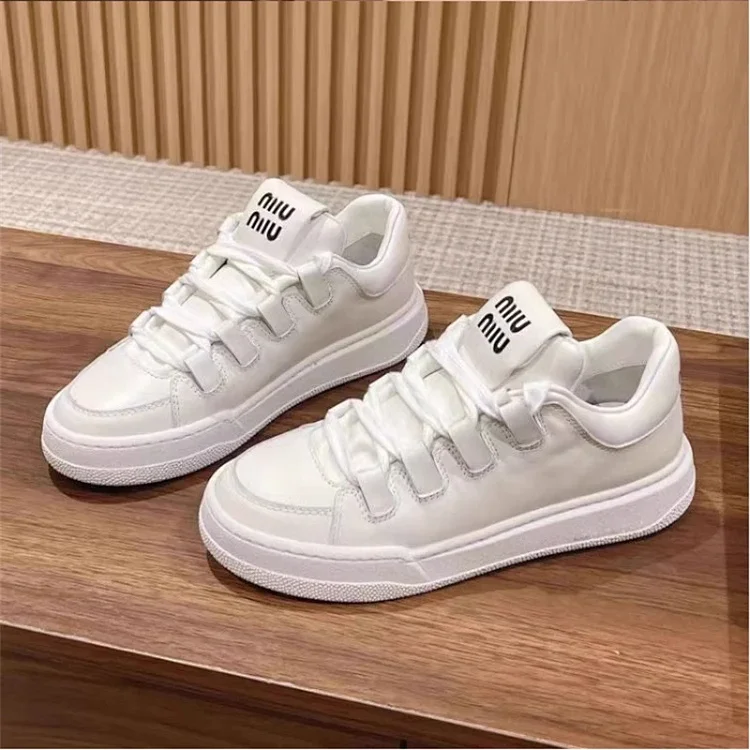 White low-top sneakers with wide laces
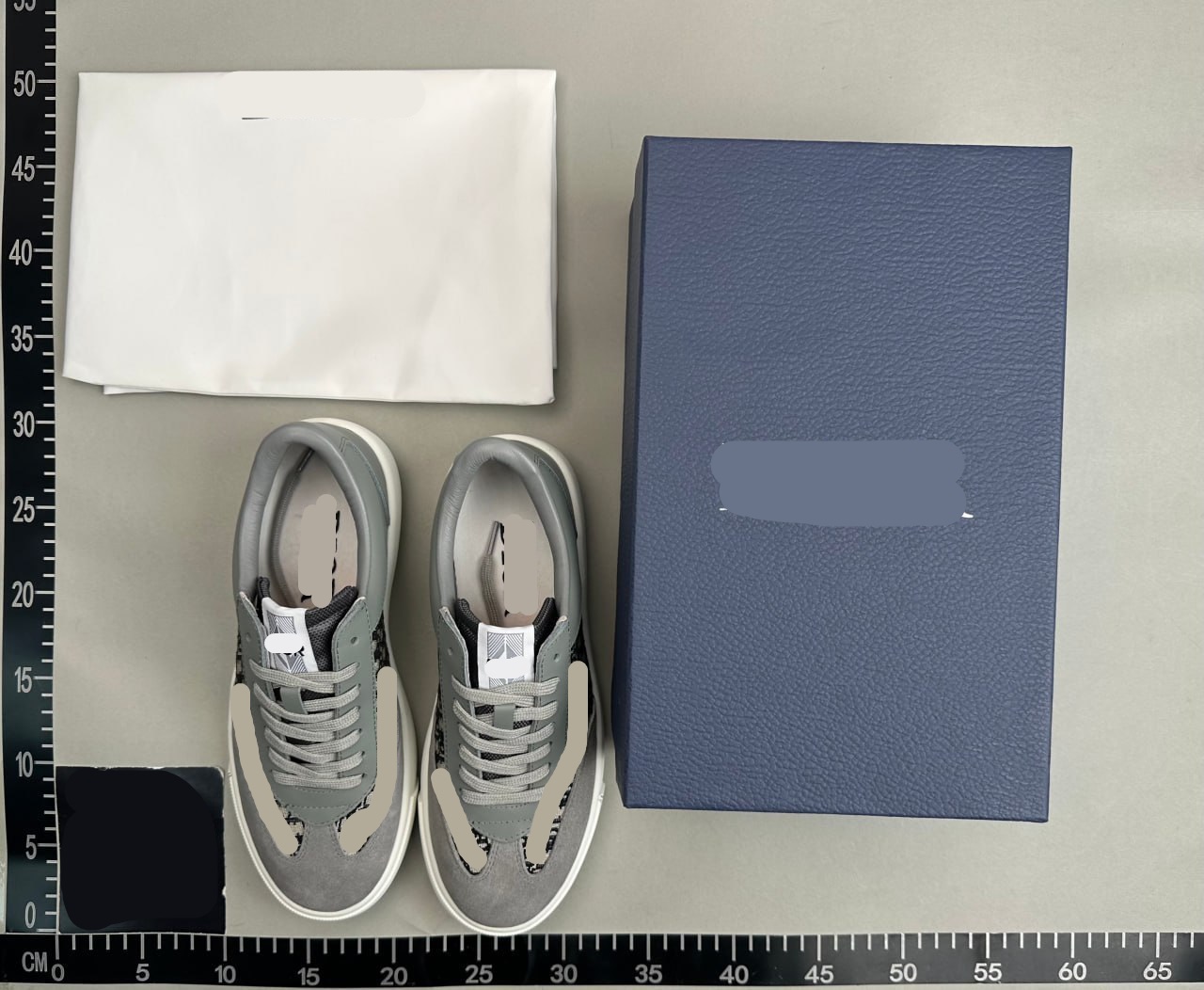 Grey lace-up low-top sneakers
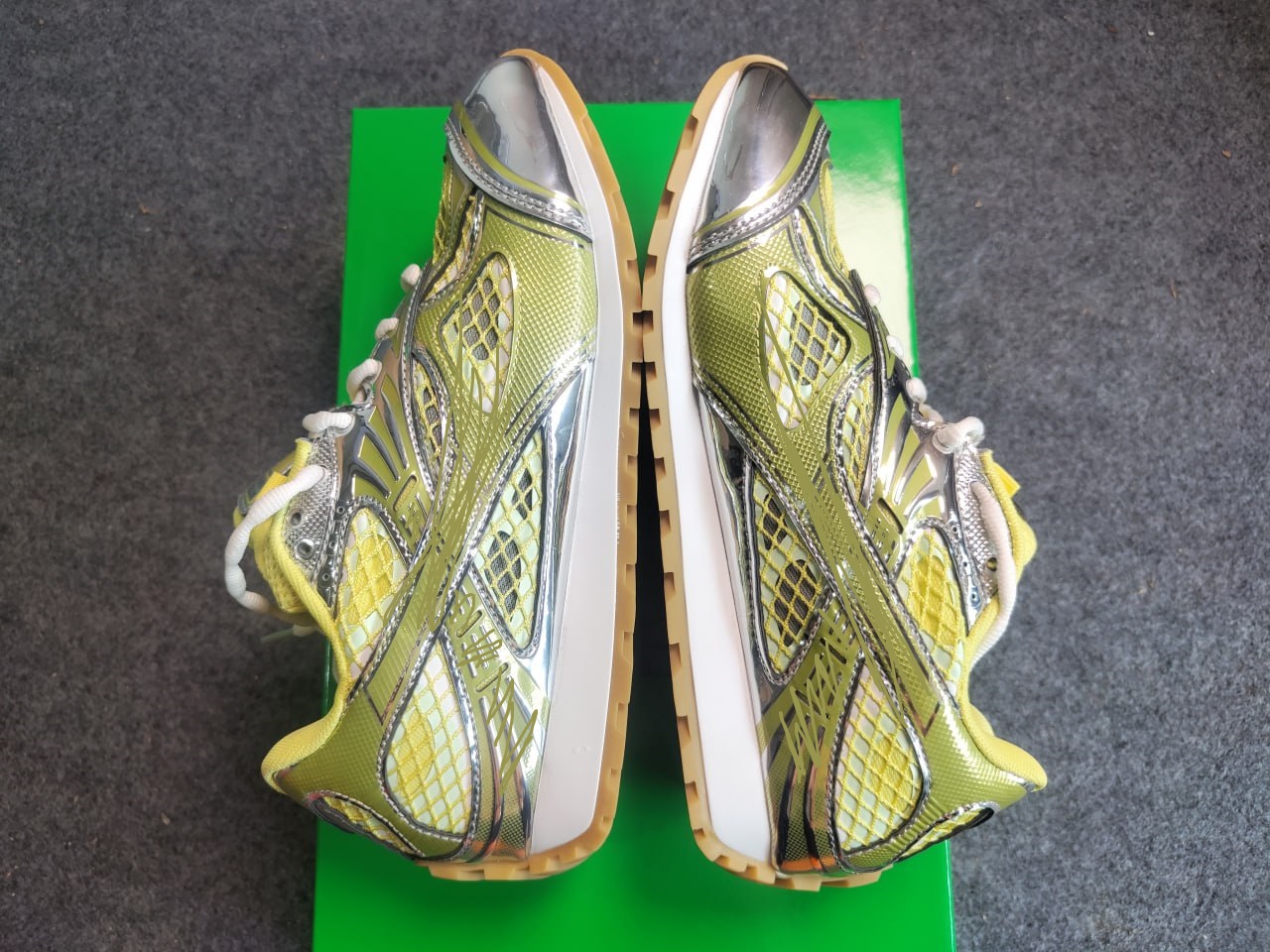 Lime and silver mesh sneakers