
SUPERBUY SPREADSHEET / PRODUCT DISCOVERY / CLOTHING & FIT
Superbuy Clothing Spreadsheet: Hoodies, T-Shirts and Jackets
A useful Superbuy clothing spreadsheet connects each attractive photograph with an actual garment, a chosen size and a reason it belongs in your wardrobe. Hoodies, T-shirts and jackets need different comparisons, even when they share the same size label. This guide shows how to build a small clothing shortlist, identify missing information and carry your requirements into warehouse inspection without treating a directory entry as a product guarantee.
1. Organise clothing by use and construction
Start with the role the garment must fill: a light layer, a loose everyday tee, a warmer sweatshirt or an outer layer worn over other clothing. Then group comparable items. A collared sweatshirt, a knitted cardigan and a hooded top may share a broad directory category, but their fit and construction differ. Read the full product name and selected option before comparing prices.
The directory includes crew-neck sweatshirts, short-sleeve tops and jackets. Use those records as examples of different checks rather than presenting them as a universal best-products list. A crew neck invites attention to the neckline and ribbing; a printed tee needs a clear print view; a jacket may require closure, pocket and lining information.
Keep each original link and identifier in your notes. If a listing offers several garments or a matching set, record whether the selected option is a single top, trousers or the complete set. A photograph of an outfit does not establish the quantity included. Clarify the offer before deciding whether it fits your budget.
2. Use a garment you own as a measurement reference
Choose a garment that fits in the way you want the new item to fit. Lay it flat consistently and note the measurement method alongside the numbers. For a top, useful comparisons often include chest width, body length, shoulder width and sleeve length, provided the seller's chart defines the same measurements. Compare like with like: a flat width is not a full circumference.
A hypothetical example illustrates the distinction. Your reference top measures 56 cm across the chest when laid flat. A listing showing 112 cm may be giving a circumference, while another showing 56 cm may be giving a flat width. Those figures might describe a similar dimension, but only if their methods agree. Do not convert automatically when the chart is ambiguous.
Record the fit you want as well as the measurements. Dropped shoulders, raglan sleeves, cropped lengths and oversized cuts change how individual dimensions should be interpreted. A single chest number cannot describe the whole garment. Avoid a universal instruction to size up; choose the option supported by that product's chart and your intended fit.
3. Compare hoodies and sweatshirts beyond the size letter
For a sweatshirt shortlist, distinguish pullovers, zip-up styles, crew necks and hooded tops. Check the body proportions, hem, cuffs and neckline or hood in the available photographs. If a zip is present, establish its length and whether the listing describes any specific construction. These details determine which candidates are comparable before any assessment of value.
Fabric descriptions need careful handling. A photograph cannot establish fibre composition, fabric weight, warmth or resistance to pilling. Record those attributes only when the listing or another reliable source actually states them, and keep the source attached. A garment's shipping weight is not its fabric weight in grams per square metre. Do not turn one into the other.
Use warehouse photos to compare visible features with your saved listing: the ordered colour, size label, panel arrangement, embroidery or print placement, and any obvious damage. Ask for a targeted detail if the standard angle hides the area that matters. Keep the conclusion limited to what the evidence shows rather than labelling the garment premium because the photo looks clean.
4. Give T-shirts and jackets different checklists
For a T-shirt, compare body length and chest width together, then inspect the neckline, sleeve shape and graphic position. A front photograph can help assess alignment, but lighting may distort colour and thin material may look different against a background. If opacity or texture determines your choice, ask what evidence is available before ordering; neither can be guaranteed from a thumbnail.
A jacket needs room for its intended layers. Compare it with an outer garment worn over similar clothing, not with a fitted tee. Examine closures, pocket positions, cuffs, hem and any visible lining. Check whether decorative elements shown in the listing belong to the selected version. The label jacket alone tells you little about insulation or weather protection.
Do not infer waterproofing, breathability or temperature ratings from styling or a familiar logo. Those are performance claims that require appropriate support. A sensible clothing spreadsheet leaves an unknown field blank and makes that uncertainty visible. This keeps visual inspection separate from specifications that photographs cannot establish.
5. Carry exact variant instructions into the order
Before payment, save the selected size, colour, quantity and option wording. If the seller uses a number or an unusual colour name, preserve it alongside your plain-language note. Include any detail that distinguishes similar options, such as a front print, collar type or set component. Avoid vague requests such as the same as the picture when several pictures show different items.
Superbuy's shopping-agent guide describes selecting an item's options before purchase and reviewing the received item at the warehouse. Your own record links those stages. Compare the imported order details with the original listing, especially when a manual entry or clarification is needed. Read any purchase message before assuming the requested version has been accepted.
After arrival, check identity before appearance. A neatly finished top in the wrong size is still the wrong option. If a measurement matters, ask for the method and endpoints clearly. Decide promptly whether the evidence supports acceptance, another targeted check or an available after-sales action. Do not let a general warehouse storage allowance obscure a separate seller deadline.
6. Compare a clothing budget without inventing a delivered price
Record the selected item price and domestic delivery separately, then add applicable purchasing and optional-service charges when known. Keep international freight outside the product-only comparison until you have meaningful parcel inputs. A low reference price does not prove that a larger jacket offers better value than a lighter top once their different purposes and packaging are considered.
For a useful hypothetical shortlist, take one sweatshirt, one tee and one jacket that you would actually wear. Mark which measurements are confirmed, which material claims remain unverified and which items require an extra check. Compare the information gaps before adding more candidates. This prevents a large spreadsheet from hiding the fact that none of the options is ready to order.
Packing decisions should also be item-specific. Reducing unnecessary outer packaging may make sense, while compressing a structured garment or pressing hardware against a print can create an avoidable concern. Ask which services are available and consider their weight or volume effects. Do not advertise a fixed shipping saving from vacuum packing or consolidation without a matching, current quotation.
7. Finish with a shortlist you can explain
For every remaining garment, write a short reason for keeping it: the intended use, the selected option, the supporting fit measurements and the remaining uncertainty. This makes a shortlist useful even if the product title or stock changes later. Reopen the live listing before payment and confirm that the recorded option, quantity and amount still apply.
At the warehouse, attach the relevant photos to the same record and compare them against those requirements. Preserve a clear distinction between what you observed, what the seller stated and what has not been tested. A clean photo can support a visible-condition decision; it cannot establish comfort after washing or long-term durability.
The product examples and related guides below provide the next steps. Browse the appropriate category, use the QC guide for visual checks and consult the cost guide when the shortlist becomes a parcel. Clothing research is complete when you can explain why each item fits your needs and what evidence supports the decision, not when every row in a catalogue has been opened.
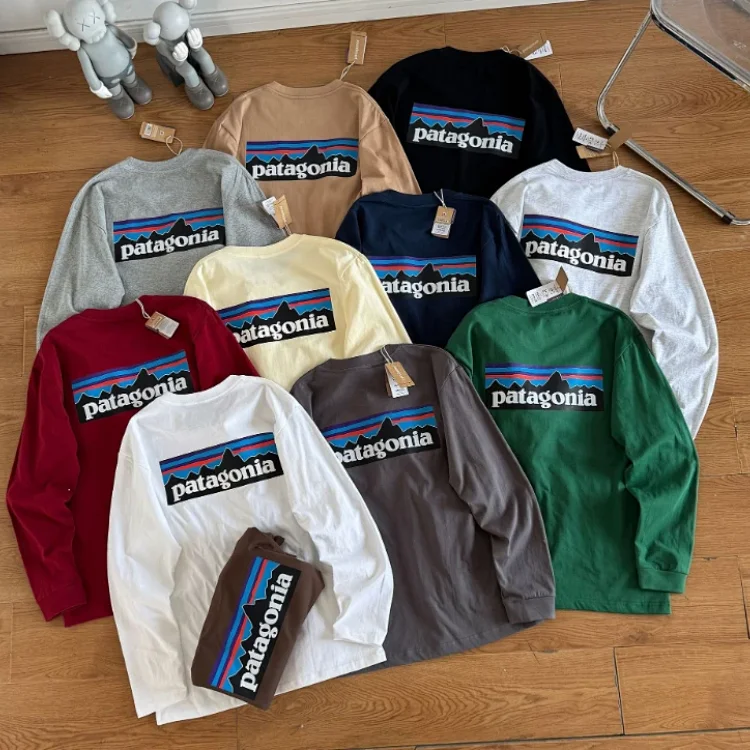 Patagonia classic loose-fitting crew neck
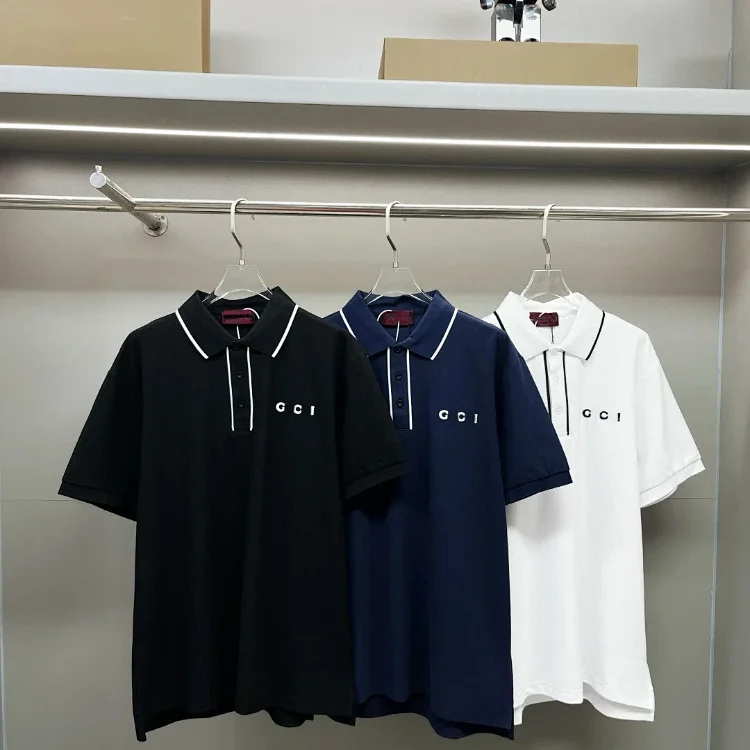 Gucci piqué cotton short-sleeve top
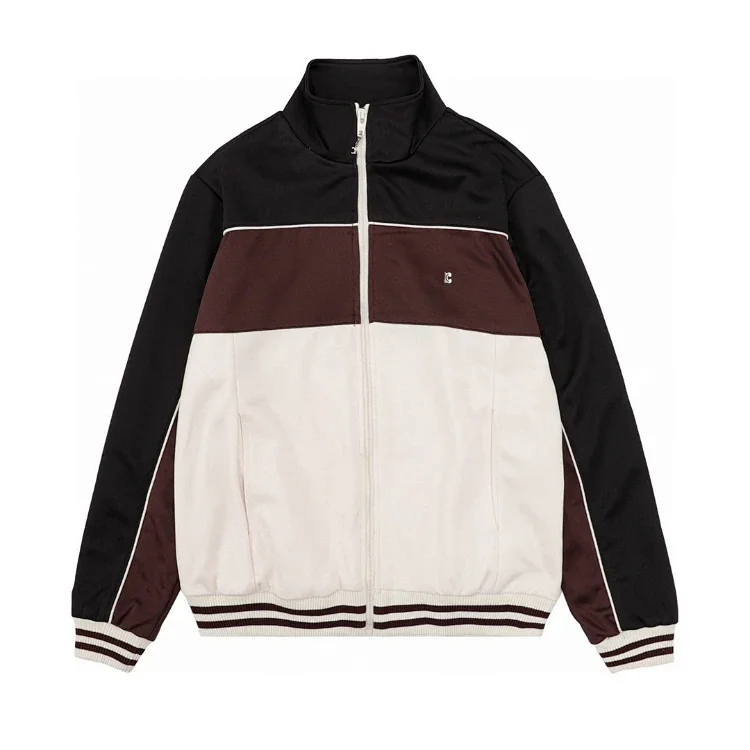 Celine embroidered jacket