
SUPERBUY SPREADSHEET / PRODUCT DISCOVERY / JERSEYS & DETAILS
Superbuy Jersey Spreadsheet: Football and Basketball Finds
A Superbuy jersey spreadsheet should help you identify the exact jersey you intend to receive. The team name alone is not enough: a listing may contain different designs, sizes, prints and customisation options. Build your comparison around the selected version, useful measurements and visible details. This guide covers football and basketball finds, with a separate check for other sports, and explains how to turn a reference image into clear order instructions.
1. Identify the sport and the exact design
Separate football, basketball and American football records before comparing them. Their cuts, sleeves and intended uses differ. Within a sport, save the listing identifier, design or season as stated by the seller, colour option and any edition wording. Do not infer a season or official status from a thumbnail. If the listing does not identify the version clearly, keep it unresolved.
This directory contains an NBA City Edition reference with multiple styles, a general football jersey record and an NFL jersey record. Those are different research starting points. A multi-style entry is not one uniform product, and its lowest displayed price may not apply to every choice. Open the destination and record the precise selection.
Decide whether you want a plain back, a named player, a number or a personalised print. Save the image or option description that supports that choice. A useful shortlist contains a few clearly identified jerseys rather than many nearly identical pictures with missing variant information. This also makes it easier to notice when a seller changes the available designs.
2. Establish fit from the relevant size chart
Choose a jersey you already own and like, then compare it with the listing's measurement method. Chest width and body length can be useful starting points, while shoulder width or sleeve dimensions may matter for a particular design. A basketball jersey should not automatically use the same reference garment as a sleeved football shirt. Note whether measurements are flat widths, circumferences or body measurements.
Treat player, fan, slim and relaxed as listing descriptions that need supporting dimensions. They are not universal sizing standards across sellers. Do not prescribe one automatic size increase for every player-style jersey or assume that two garments with the same letter will fit alike.
For a hypothetical example, your reference jersey has a flat chest width of 54 cm and a length of 72 cm. One candidate provides both fields; another only lists the size as medium. The first can be compared more meaningfully, but neither is a confirmed fit until the chart's method and selected version are clear. If the missing information affects your decision, request clarification before placing the order rather than hoping that later photos will resolve everything.
3. Record customisation as exact text
Names, numbers and patches deserve their own fields. Copy the requested spelling, capitalisation and number exactly, then check whether the selected option includes those additions or requires another choice. If the listing offers several patch combinations, identify the intended one with the seller's option wording. Avoid a general instruction such as make it like the player when several versions are shown.
Separate what the picture displays from what the purchase includes. A promotional image may show a personalised jersey while the base option is blank. Check whether the amount changes after selecting the print and whether the item is sold as one jersey or as part of a set. Save the final order details before paying.
Customised products may have different seller conditions, so read the applicable terms and ask about unresolved points before committing. Do not assume that ordinary return options will apply to every personalised order. This is a pre-purchase check, not a claim about a universal policy. Keep the response with the order so you have a clear reference if the received text differs from the instruction.
4. Inspect visible print and badge details systematically
At warehouse arrival, begin with the exact identity: sport, colour, design, labelled size and quantity. Then compare the front and back against the saved selection. Check the spelling and number before judging styling details. An accurate-looking badge does not compensate for the wrong name on the back.
Use comparable views to inspect print alignment, spacing, badge position and visible edge condition. A folded garment or an angled photograph can distort those relationships. Ask for a flat, unobstructed view when the relevant area is hidden. Describe any suspected issue precisely, such as a visible lifted edge at one corner, rather than declaring the entire print defective from a compressed image.
Photographs cannot establish authenticity, licensing, fabric composition, breathability or how a print will survive washing. Keep those limits in the decision. A familiar team mark is a visible design feature, not proof of official merchandise. If genuine licensing or tested performance is essential, obtain evidence that actually supports it instead of relying on a spreadsheet label or a seller's promotional image.
5. Use targeted warehouse requests and a clear decision
Superbuy's shopping-agent guidance includes warehouse inspection and photographs after the item is received. The exact available views and optional checks must be confirmed in the current order interface. Do not assume that every order includes a particular measurement or that one general QC photo shows both sides of a jersey clearly.
A focused request identifies the jersey and the missing evidence: show the back name and number without folds; show the selected size label; or measure the flat chest width with the tape endpoints visible. If you need several views, explain what each one resolves. Asking for more photographs without a purpose may add cost while leaving the original uncertainty untouched.
Once the evidence arrives, choose an action. Accept when the selected option and visible condition meet your requirements, ask for a specific clarification when a critical view is still missing, or use the available after-sales route for a documented mismatch. Check the order's current options promptly. A storage period and a seller's after-sales window are different considerations, and waiting should be a deliberate choice.
6. Keep price and packing assumptions visible
Record the current amount for the chosen jersey, its print options and any domestic delivery separately. A multi-style product card is only a starting reference. Do not publish a single bargain price as if it covers every team, size and personalisation combination. Keep the review date so another reader can distinguish an observed amount from a live quotation.
Jerseys may fold differently depending on their construction, decoration and packaging. Rather than assume that every jersey adds negligible parcel cost, use the actual warehouse weight and the proposed package dimensions when available. Compare the eligible route for the whole parcel; the other items and their packaging also affect the result.
Consider how to keep printed surfaces away from sharp hardware, dirty packaging or unnecessary pressure. Ask which packing options are available and identify any part you need preserved. There is no reason to add every protection service automatically. Select a method that addresses a specific concern, then review its cost and its effect on the package. The aim is a coherent parcel plan, not a promise that one packing method eliminates every risk.
7. Recheck the order before turning the shortlist into a parcel
Run a final comparison using the same fields for every jersey: exact design, selected size, measurement method, back text, patches, quantity, current price and unresolved evidence. Remove candidates whose essential details cannot be established. A smaller list with clear options is more useful than a large list of titles that all say football jersey.
Before payment, reopen the source and confirm that the selection still exists. After warehouse arrival, attach the relevant photos and record whether the item is accepted or needs action. Before parcel submission, confirm that you have included the intended jersey and that its packaging instructions match your decision.
Use the product references below as examples, not as tested recommendations or claims of authenticity. Their corresponding listings provide current choices; the clothing guide helps with measurement comparisons, and the QC guide explains the limits of visual evidence. A good jersey purchase starts with a precise description of what you want and ends with a received item that can be compared against that description.
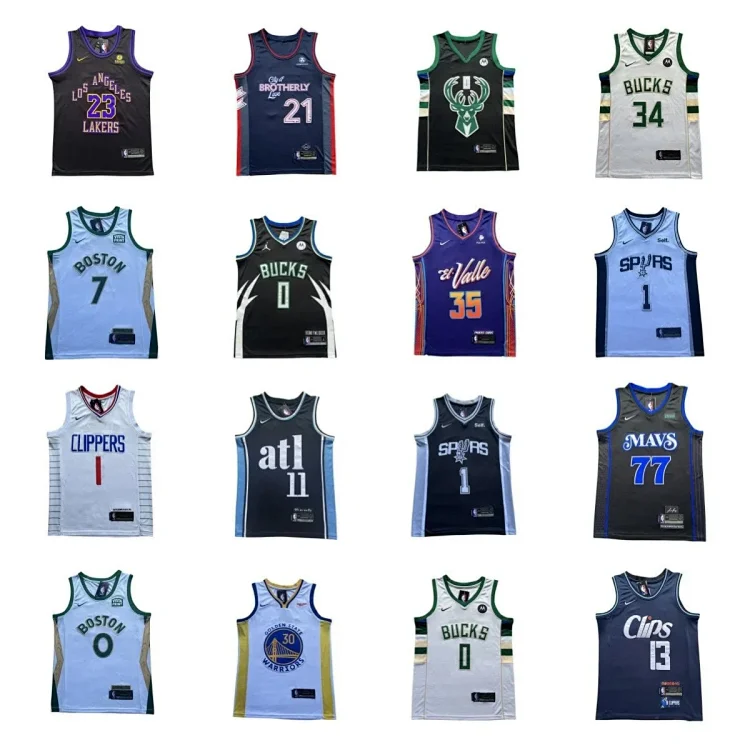 NBA City Edition jerseys — 40 styles
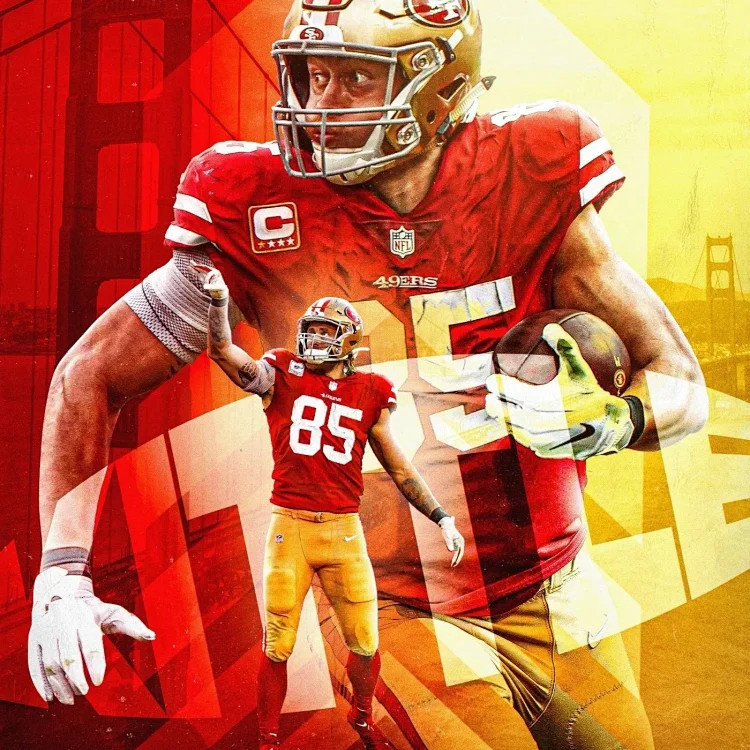 NFL Super Bowl 49 jersey
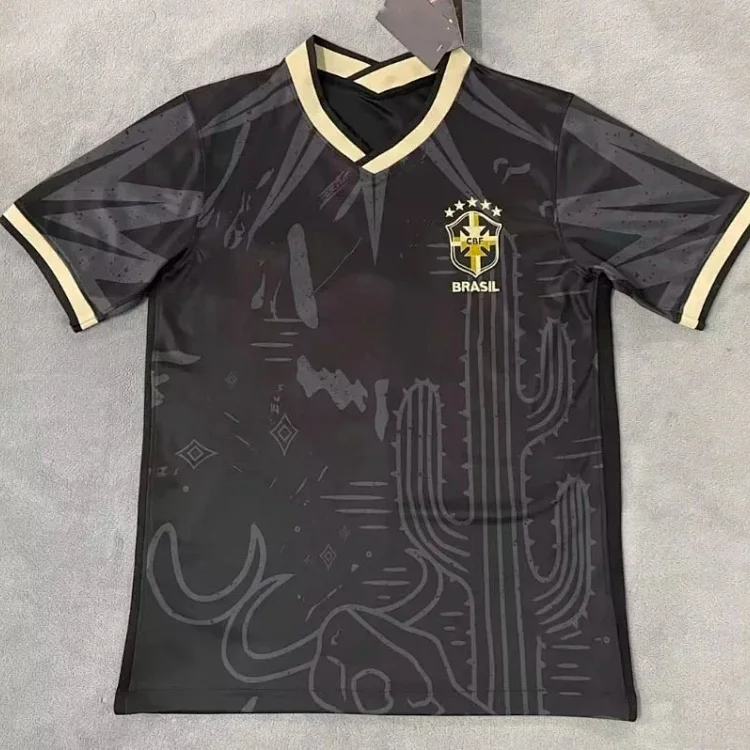 Football jerseys