
SUPERBUY SPREADSHEET / PRODUCT DISCOVERY / FIRST ORDER
How to Use Superbuy: First Order to Warehouse
A first Superbuy shopping-agent order becomes much easier when you stop treating it like one international checkout. The product order ends at the warehouse; parcel submission is a later decision with different evidence, costs and risks.
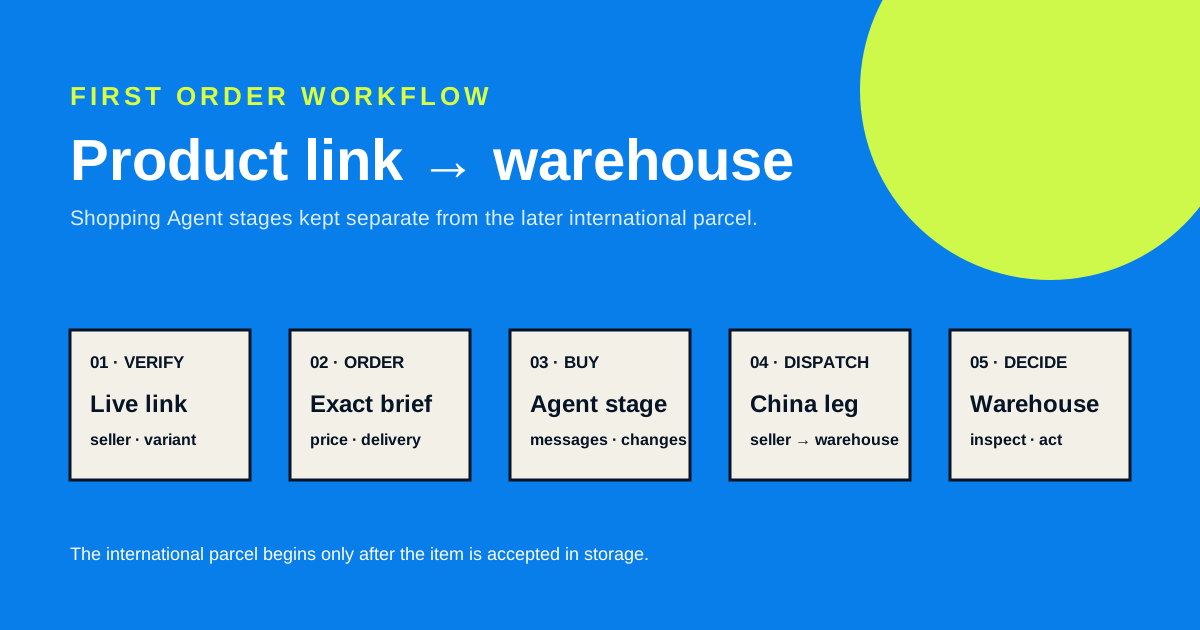
1. Confirm that you are using the shopping-agent flow
This guide covers Superbuy's Shopping Agent service: you provide a product listing, Superbuy places the purchase with the seller, and the seller sends the item to the Superbuy warehouse. It does not describe Parcel Forwarding, where a user has already purchased an item and arranges delivery to a forwarding warehouse. Superbuy's public guidance explicitly separates those services, so do not apply forwarding instructions, inspection expectations or submission steps to a shopping-agent order.
Start from the Shopping Agent search or order screen. Use a current marketplace product URL or a product search where the interface supports it. If the link cannot be captured, use the order method offered on the live page and provide the missing listing details rather than guessing. A link loading successfully proves only that a page was found; it does not prove that the seller, option or item is suitable.
2. Audit the live listing before importing it
Open the original listing and write a compact purchase brief: seller, item name, exact colour, size or specification, quantity, current option price and domestic delivery shown for the order. Save the review date. Marketplace pages can change after a spreadsheet or social post is published, and the lowest headline number may belong to an accessory, deposit or different option. Reject a link when it is dead, redirects to another category or no longer offers the required variant.
Superbuy's public shopping-agent guide identifies product-link entry and product search as starting methods and lists several supported Chinese marketplaces, but support for a marketplace does not guarantee that every product can be purchased or shipped internationally. Product restrictions, seller rules and current route eligibility still matter. If the item has sensitive characteristics, check the current buying and delivery warnings before committing funds.
3. Compare the imported order with the source page
After Superbuy reads the link, compare every imported field with your purchase brief. Match the seller, title, option names, quantity, item price and China domestic delivery. Product images are not enough because one page can group several versions under the same gallery. If automatic capture is incomplete and the interface asks for manual information, transfer the original URL and selected specification exactly. Use remarks for one observable instruction at a time, such as a seller-confirmed colour code or required included part.
Avoid requests such as ‘best quality’ or ‘make sure it is perfect’; a purchasing agent cannot convert those opinions into a verifiable seller order. Stop when the imported amount changes unexpectedly. Identify whether the difference is the variant price, quantity, seller delivery or another displayed component before approving it.
4. Treat the first payment as the item stage
Superbuy's current shopping-agent guidance describes the transaction in two broad payment stages. The first covers the product order and the China domestic delivery shown for that purchase. International shipping is paid later, after warehouse receipt and parcel submission. Keep those stages separate in your budget. A useful first-order ledger has lines for the exact item variant, domestic seller delivery, any clearly selected service and a blank international-freight line.
Do not fill the blank with an old screenshot and call it a total. For a simple fictional example, an item recorded as 160 worksheet units plus 12 units of domestic delivery creates a 172-unit item-stage subtotal. This is arithmetic, not a Superbuy quote or fee. Payment methods, currency conversion and any live checkout adjustments must be checked on the order screen at the time you pay.
5. Read purchasing status as a request for evidence
Once payment is accepted, Superbuy's shopping agent contacts the seller and places the order. During this stage, the agent may need a response if an option is unavailable, the seller changes a price, dispatch is delayed or the listing information is unclear. Check account messages rather than assuming silence means the purchase is complete. Save any adjustment beside the original order evidence. Ask three questions when a change appears: what changed, what amount or specification is now proposed, and whether you still have a reversible choice.
Do not accept a substitute merely to keep the status moving. Compare it against the same brief used before payment. If the core size, material, version or quantity cannot be confirmed, cancelling before seller dispatch may be less costly than discovering the mismatch after warehouse receipt, subject to the live order's current options.
6. Separate seller dispatch from international shipping
A seller-dispatched status means the marketplace seller has started the China domestic leg toward the warehouse. It does not mean your parcel is travelling to your country. Where the account shows domestic tracking, use it to distinguish label creation, carrier acceptance, movement and delivery. Record the reference with the Superbuy order number. If no seller dispatch exists, international tracking cannot exist either. Ask for the current seller status instead of searching for an overseas carrier.
If domestic tracking shows delivered but the item is not yet stored, remember that carrier delivery and warehouse processing are two handoffs. Keep the delivery event, order number and seller reference available while the warehouse identifies and processes the item. The public pages do not establish one universal dispatch or intake deadline for every seller and product, so use evidence rather than an invented day count.
7. Use warehouse receipt as a decision gate
Superbuy's shopping-agent guidance says received items go through inspection and storage, after which the user can view them in the warehouse area. Start with identity: compare colour, tagged size, model, quantity and visible accessories against the order record. Then inspect the overall form, symmetry, obvious marks, damage and category-specific details. Warehouse photos document visible condition at one moment; they do not prove authenticity, material composition, internal function, long-term durability or fit.
If a decision-critical view is missing, use the current account's available detailed-photo, measurement or enquiry option and ask for one observable result. ‘Show the size label clearly’ is testable. ‘Confirm it is genuine’ is not. Keep the original order screenshot beside the warehouse evidence so the comparison does not drift into a general opinion about appearance.
8. Decide before the seller's after-sales option disappears
Warehouse storage time and seller after-sales time are different clocks. Do not interpret a storage allowance as a return window. If the received item is wrong, visibly damaged or materially different from the approved specification, document the exact mismatch and review the current return or exchange action on the order. Eligibility can depend on the seller, marketplace, product type, customization and timing; this guide does not invent one universal period or outcome.
Choose one of three actions. Keep the item when identity and visible condition meet the brief. Request targeted evidence when one missing view can resolve the uncertainty. Open after-sales promptly when the evidence already shows a decision-changing mismatch. Waiting without a defined question is not caution—it simply leaves the order exposed to deadlines while adding no information.
9. Stop at the warehouse boundary before building a parcel
A successful first product order is not yet a successful international shipment. After accepting the item, record its warehouse location, stored status and the evidence used for the decision. If you plan to buy more, repeat the same product-order workflow for each seller. Only then begin parcel planning: select compatible stored items, check current restrictions, choose packaging, review measured or estimated parcel data and compare eligible routes for the destination.
Do not copy shopping-agent QC promises into Parcel Forwarding, and do not assume that every stored product can use every international line. The next payment belongs to the parcel stage. Keeping a visible boundary between ‘accepted in warehouse’ and ‘submitted for delivery’ prevents a user from rushing past inspection merely because the buying stage feels finished.
10. Run a ten-point first-order stop check
Before payment, confirm the service is Shopping Agent, the source link is current, the seller and exact variant match, the quantity is correct, and product price is separated from domestic delivery. During purchasing, respond to messages and preserve any seller adjustment. After dispatch, distinguish the domestic carrier record from international tracking. At warehouse receipt, compare identity before judging finish, request only evidence tied to a decision, and act on a clear mismatch before the available after-sales option closes.
Live listings, account actions, fees, payment methods, storage terms, photo services, after-sales eligibility and routes can change. The current order interface governs the transaction. The method remains useful because it attaches evidence to each handoff instead of relying on a remembered promise.
Finish the first order with a decision record
Keep your original listing link, selected variation, seller size chart and order reference together. At warehouse arrival, compare that record with the received item and the available QC views. Write down any unresolved question before requesting extra evidence, including the measurement or detail that would settle it. Only move a product into parcel planning once you know whether you intend to keep it. A completed purchase is not the same as a completed international shipment.
This distinction helps a first-time buyer avoid paying for onward delivery before noticing a wrong variation, a missing quantity or a fit question that could have been checked earlier.
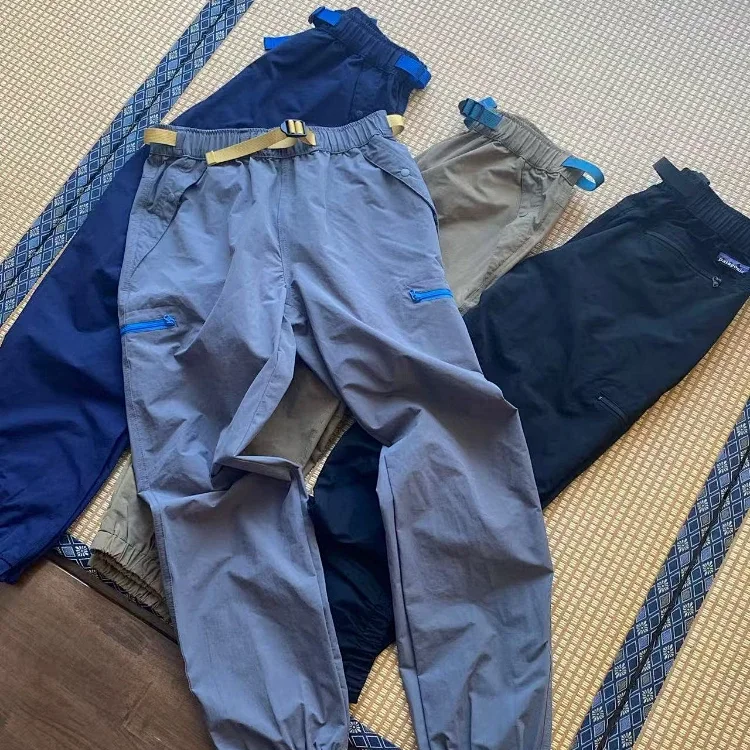 Patagonia quick-drying pants
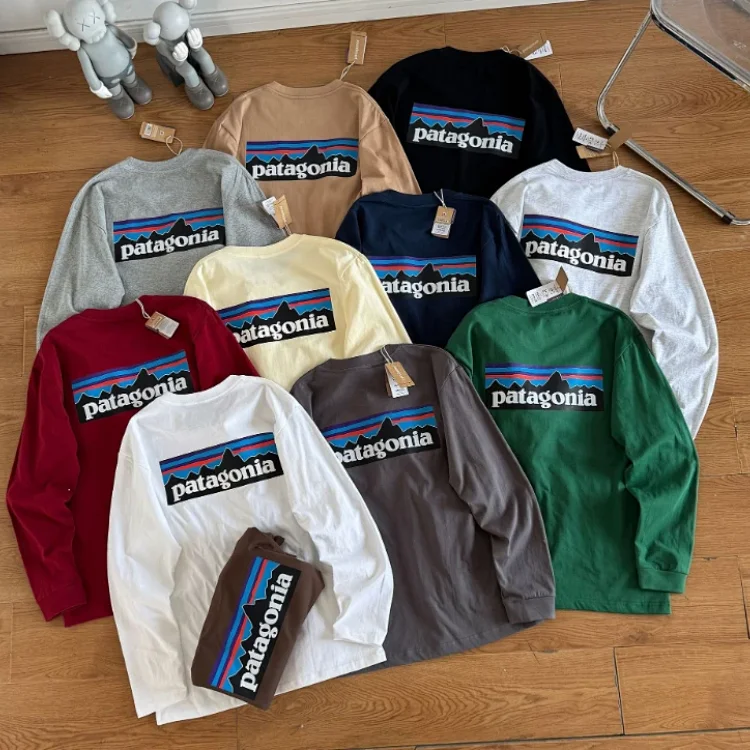 Patagonia classic loose-fitting crew neck
 White low-top sneakers with wide laces