
SUPERBUY SPREADSHEET / PRODUCT DISCOVERY / WAREHOUSE
Superbuy Warehouse Guide: Storage, QC Photos and Returns
The Superbuy warehouse is not just a waiting room between a Chinese seller and an international carrier. It is the point where an online listing becomes a received item, visible evidence can be compared with the order, and a keep, investigate or return decision must be made before parcel submission.
1. Understand what warehouse arrival actually means
A Superbuy Shopping Agent order moves through distinct handoffs. The seller first dispatches the item inside China. A domestic carrier may then mark it delivered, but that scan does not necessarily mean the product is already available in My Warehouse. The parcel still has to be identified, associated with the correct order, inspected and entered into the warehouse system. Keep the seller tracking number, delivery timestamp and Superbuy order number together until intake appears.
If the gap becomes unusual according to the current account guidance, send those exact facts in an order enquiry. This is more useful than saying only that a product is missing. Also keep the service boundary clear: Shopping Agent orders were purchased by Superbuy from the seller, while Parcel Forwarding begins with an item that the user bought elsewhere. Inspection, after-sales support and intake expectations should be checked for the service actually used.
2. Build a warehouse record before judging the photos
Create one row for every incoming item with the original URL, seller, ordered colour, size or model, quantity, domestic tracking, warehouse intake date and order number. Add the source-page review date because marketplace listings can change after purchase. When the item appears, record any warehouse remark, displayed weight, dimensions and the date the photos became available. This small record prevents two common errors: comparing a warehouse image with a vague memory of the listing, or confusing one similar-looking order with another.
Start inspection by matching identity, not by deciding whether the item looks attractive. Confirm the product type, option, marked size, colour, quantity and promised accessories. If one of those fields differs, preserve a screenshot of both the order and the warehouse evidence. A reliable decision depends on a dated chain from listing to order to receipt, not on the status label alone.
3. Read the standard QC photos in a fixed sequence
Superbuy's public materials state that Shopping Agent orders receive standard quality-control photos after warehouse arrival. Use them in the same order each time. First examine the whole item: front, back, side, overall silhouette and left-right symmetry where relevant. Next compare order details such as colour, size label, model, quantity and included parts. Then inspect category-specific risks: seams and print placement for clothing; toe shape, sole joins and pair symmetry for footwear; handles, closures and hardware for bags; model, plug and visible accessories for electronics.
Lighting, camera angle and compression can distort colour and proportion, so do not turn one ambiguous frame into a conclusion. Standard photos are most valuable as evidence of visible condition and obvious mismatch. They are not an endorsement of the seller or a guarantee that the product will perform as claimed.
4. Know what warehouse photos cannot prove
A photograph can show an observable fact at one moment: a label, a scratch, a missing accessory, a measurement card or a visible construction detail. It cannot reliably prove authenticity, fibre composition, comfort, fit on your body, battery health, waterproofing, internal assembly or long-term durability. Sealed products may not be opened, and some categories cannot receive a professional functional inspection. Even a power-on image, where that optional service is available, shows only that a device powered on during the check.
This limit should change the buying decision before the item reaches the warehouse. Review seller terms, product specifications and international route restrictions in advance for anything regulated, fragile or difficult to evaluate visually. At the warehouse, ask only questions the available evidence can answer. ‘Show the size label’ or ‘measure the insole from heel to toe’ is testable. ‘Confirm this is genuine and will last’ is not.
5. Request detail photos or re-inspection with a purpose
Superbuy's fee structure lists optional warehouse services such as detailed photos and re-inspection. An extra service is useful only when it resolves a defined decision. Before ordering one, write the uncertainty and the result that would change your action. For example: the default angle hides a suspected stain; a shoe listing gives only an external size; an accessory count is unclear; or a printed graphic appears off-centre but perspective may be responsible.
Request one exact view, measurement or check. Avoid broad instructions such as ‘check everything’ because they do not identify the relevant evidence. After the result arrives, close the loop: accept, request after-sales action, or explain why one final check is necessary. Repeated random photos increase cost without necessarily reducing uncertainty. The goal is not to collect images. It is to reach a defensible decision while the order still shows whatever seller after-sales actions are currently available.
6. Separate the 90-day storage clock from the return clock
Superbuy currently states that Shopping Agent items receive 90 days of free warehouse storage. That allowance supports consolidation, but it is not a universal 90-day seller return period. Storage and seller after-sales are different systems. Return or exchange eligibility can depend on the marketplace, seller, product type, customization, order status and time since purchase or receipt. A product may remain eligible for storage after a seller action has disappeared.
Therefore add two fields to the warehouse record: the free-storage end date shown or implied by the current account terms, and the current after-sales action visible on the individual order. When photographs show a wrong option, missing quantity, obvious damage or a material mismatch, investigate promptly. Waiting consumes time but creates no new evidence. Never publish or rely on one universal return-day claim unless the live order and governing terms actually show it.
7. Decide with a three-state rule
Every stored item should be in one of three states. Accept it when the ordered identity matches, the visible condition is within your documented threshold and the parcel plan can protect it. Investigate it when one specific missing view or measurement prevents a decision; request only that evidence and set a date to review the result. Open after-sales when the evidence already shows a wrong item, wrong option, missing component, visible damage or another decision-changing mismatch and the order still offers an action.
Do not leave an item in an undefined ‘maybe’ state. For an enquiry, describe observable facts instead of emotion: ‘The order shows black, size L; the photographed label shows navy, size M.’ Attach the relevant image and order record. This format makes the issue easier to evaluate and reduces the chance that warehouse storage is mistaken for permission to postpone the seller decision.
8. Plan consolidation without turning storage into overbuying
Free storage makes it possible to combine orders, but the longest possible wait is not automatically the best plan. Consolidation may reduce repeated first-weight charges and outer packaging. It may also create a larger volumetric carton, mix products with incompatible route restrictions, delay accepted goods or concentrate loss and damage risk in one parcel. Maintain a warehouse ledger with each item's accepted status, weight or dimensions where available, packaging needs, sensitivity and personal ship-by date.
Group items only when they can use compatible routes and protection. Soft clothing may fill space around rigid goods, while shoes, collectibles, liquids, batteries or fragile hardware can change the available lines or packaging requirement. Compare a consolidated estimate with two smaller parcels when value or risk is high. The warehouse should support deliberate parcel design, not an open-ended shopping queue.
9. Finish QC with a packaging decision
Approval should include how the accepted item will travel. Removing a retail box can reduce dimensional weight, but it also removes structure and may reduce collection or resale value. Reinforcement, corner protection, bubble cushioning, moisture protection or insurance can address specific risks, while adding material, weight or cost. Write the failure you are trying to prevent, then choose the lightest service that addresses it. A soft garment may need little extra protection; a shoe, glass item or electronic device may justify more.
Consider how products interact inside a consolidated parcel: metal hardware can press against fabric, and rigid edges can damage softer goods. Preserve the warehouse photos and any packaging instruction with the parcel record. If the shipment arrives damaged, photograph the outer carton, label, internal packing and item before discarding anything, then compare them with the stored evidence.
10. Use the warehouse as an evidence checkpoint
The practical warehouse workflow is simple: preserve the seller and domestic-delivery record; wait for confirmed system intake; match identity before judging finish; read standard photos in a repeatable sequence; request only decision-specific evidence; separate storage from seller after-sales; and accept, investigate or act while the relevant option is still available. After approval, record packaging, route restrictions and the parcel group before paying international freight. Live service wording, storage conditions, optional-service prices, return eligibility and account controls can change.
The current order and warehouse interface therefore remain authoritative. What does not change is the method: attach every decision to an observable fact and a date, so a convenient storage period never hides a more urgent return or shipping decision.
Make one warehouse decision per item
Before combining products into a parcel, give every order a written decision: keep, request evidence, or contact support about an available return. Save the item number, the exact colour and size selected, the arrival date and the evidence supporting that decision. A storage deadline and a seller return deadline answer different questions; record each separately from your current account information. Do not wait for an unrelated order if that delay could close a return option.
If a shoe measurement or clothing detail remains unclear, request the specific view you need while the item can still be handled separately. This small record makes the final parcel check much easier.
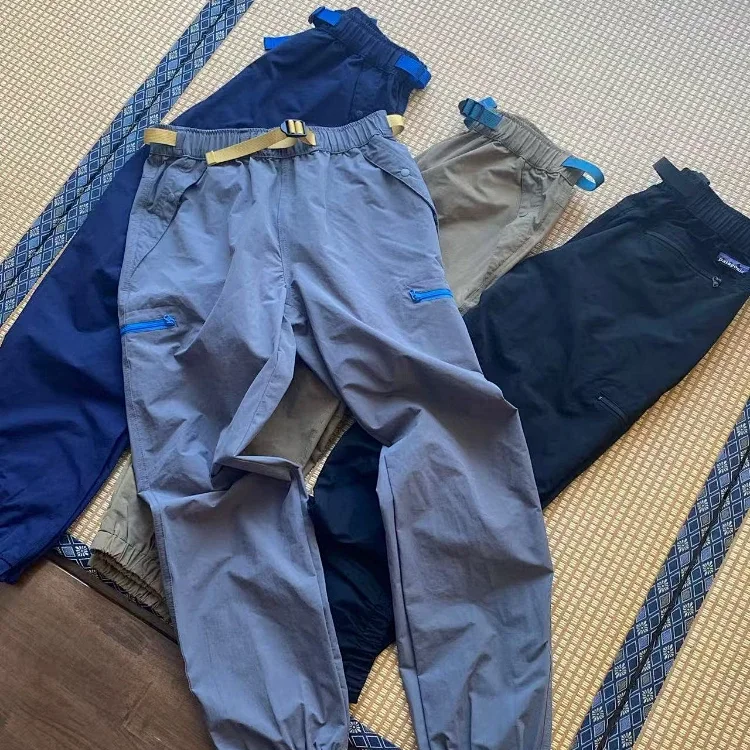 Patagonia quick-drying pants
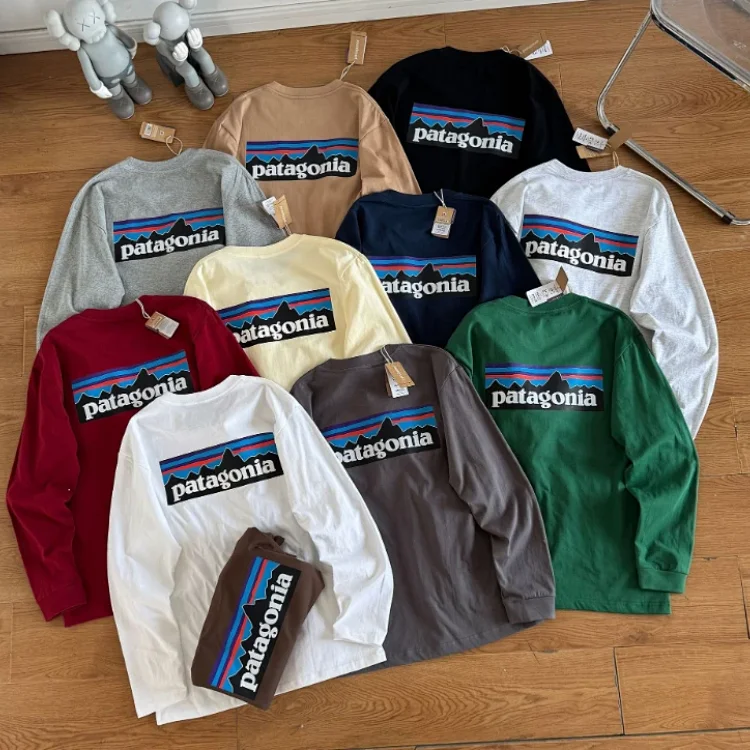 Patagonia classic loose-fitting crew neck
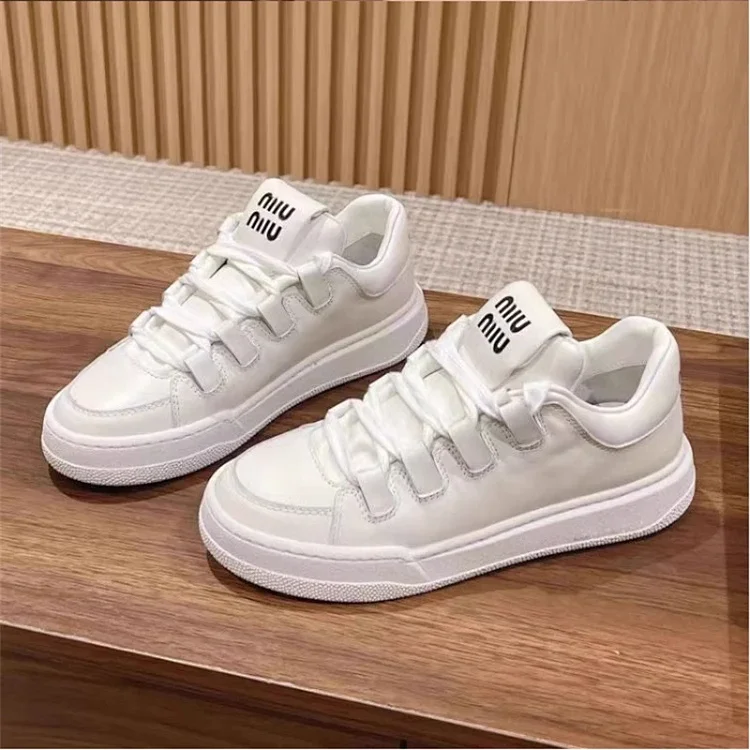 White low-top sneakers with wide laces