
SUPERBUY SPREADSHEET / PRODUCT DISCOVERY / PACKING & SHIPPING
Superbuy Shipping Expert: Packing Requests and Parcel Planning
Superbuy Shipping Expert is presented on the official shipping estimator as a route to packing and shipping solutions. The useful question for a buyer is what information and decisions to prepare before requesting that help. This guide focuses on writing a clear packing brief and evaluating the resulting parcel proposal. It does not assume a fixed service price, guaranteed saving or delivery time; current availability and terms must be checked in the live service interface.
1. Define the decision you need help making
Begin with the uncertainty that could change your parcel plan. You might need to know whether keeping several retail boxes makes the parcel too bulky, whether fragile and soft items should travel together, or which permitted packing configuration suits your destination. Write that decision down before selecting additional services. Help is easier to evaluate when its purpose is specific.
Searches for Superbuy rehearsal packaging often describe the desire for better information before international shipping. Do not assume that every historical tutorial describes the current service or that every account presents the same options. Superbuy's current estimator points to Shipping Expert for packing and shipping solutions; the actual service screen determines what can be requested now.
Separate this task from buying an item. A purchasing enquiry about a seller, a warehouse-photo request and a parcel-packing request have different purposes. Use the relevant order or parcel context and record the response. A clear brief should identify the items, destination and decision required without promising yourself that a paid service will necessarily reduce the total.
2. Prepare an inventory of the items actually ready to ship
List the warehouse identifiers for the items you intend to include. Mark which items are accepted after QC, which are awaiting clarification and which may still require after-sales action. A proposal based on an uncertain item list can become obsolete as soon as one product is removed or replaced. Finish those decisions where possible before asking for a packing comparison.
Record available item weights and dimensions, but label estimates and measurements accurately. An individual item's recorded size does not automatically describe the final consolidated carton. Packaging, empty space and protective material can change the result. If a field is missing, state that it is missing rather than inserting a guess that looks measured.
Add handling requirements that could affect the group: preserve a particular box, protect a structured item, keep a component together or clarify an item classification. Use the product's actual description when checking restrictions. Do not assume a route is suitable simply because it carried a different user's parcel. Your destination, item mix and current service conditions determine which proposals are relevant.
3. Write packing instructions item by item
A practical brief has three parts: what may be removed, what must be preserved and which risks need attention. Identify each item by its warehouse reference. For example, you may permit removal of unnecessary outer seller packaging while retaining the product's accessories. If the retail box matters, say so explicitly instead of using a broad instruction to remove all boxes.
For a hypothetical mixed parcel containing shoes, a sweatshirt and a small accessory, the useful questions differ. The shoes may need their shape protected, the garment may need separation from hard edges, and the accessory may need to remain identifiable. These are editorial examples, not a claim that a particular service or packing material is available for every order. Confirm the offered options before relying on them.
Avoid contradictory instructions such as the smallest possible parcel and keep every box unchanged without specifying which preference matters more. Explain the priority: preserving presentation, reducing unnecessary space or separating a fragile item. A useful packing request gives the warehouse a decision to carry out, with clear boundaries on what can be changed.
4. Compare weight and dimensions on the same basis
The official Superbuy shipping estimator takes destination, weight, dimensions and item category as inputs. When comparing proposals, hold the destination and eligible route constant wherever possible. Otherwise a lower number might come from a different service rather than a more efficient package. Record the date and the relevant conditions with each quotation.
Use a labelled calculation to understand volume without treating it as a live price. A hypothetical box measuring 40 × 30 × 20 cm has a volume of 24,000 cubic centimetres. If a selected line explicitly uses a divisor of 6,000, that volume corresponds to 4 kg of volumetric weight. If another line uses a different divisor, the result changes. Confirm the line's actual rule and any minimums, increments or surcharges before comparing charges.
The example is a planning calculation, not an observed shipment or a guaranteed billable weight. Packaging changes matter only when they change the chargeable inputs or another relevant condition. Reducing a dimension slightly may make no difference to a rounded charging band. Compare the quoted total, not just the scale reading or the apparent size of a photograph.
5. Include service and protection costs in the comparison
Create a separate line for each relevant amount: packing or expert-service charges where applicable, the international shipping estimate and any other disclosed service charge. Do not assume the headline parcel quote contains every optional service. Read the current scope and ask for clarification when the proposal does not make that distinction clear.
Compare the whole decision. If one configuration reduces the shipping estimate but adds a packing charge, both amounts belong in the same calculation. If keeping a box costs more but protects a presentation requirement you value, record that trade-off rather than calling the more expensive option irrational. Protection, tracking and route suitability may matter alongside price.
Do not claim that Shipping Expert always pays for itself. The value may be clearer dimensions, fewer unresolved instructions or a more suitable packing plan, even when no saving is established. Equally, a simple parcel with clear inputs may not need additional help. Make the choice according to a defined uncertainty and the current service terms, rather than assuming that every available add-on improves every shipment.
6. Review the proposal before approving the parcel
Check that the proposed item list matches your inventory and that every important preservation or removal instruction has been addressed. Verify the destination details, package count, stated weight and dimensions, line eligibility and any unresolved notes. If the proposal changes something you marked as essential, ask for clarification before treating it as accepted.
Distinguish an estimate, a shipping deposit and a final reconciled charge. Superbuy's public guidance explains that its international shipping deposit uses estimated parcel information and that final charges follow carrier-verified package data. Keep those stages separate in your records. A later adjustment should be compared with the actual terms and measurements rather than automatically described as an error.
Also review tracking, compensation conditions and destination requirements relevant to the chosen service. A packing recommendation does not guarantee a particular arrival date or customs outcome. Where the proposal lacks a decision-critical detail, ask one precise question tied to the parcel reference. Preserve the answer so the final approval is based on a shared understanding of what will be shipped and how.
7. Save the outcome for a better next parcel
Keep the original brief, proposed configuration, approval, final package data and reconciled charges together. After delivery, note which packing decisions were useful and which did not add value for that particular item mix. If there is visible damage, preserve the packaging and the evidence needed for the applicable after-sales process before discarding materials.
Avoid generalising from one outcome. A configuration that worked for soft clothing may not suit structured shoes or a fragile accessory, and a route's conditions can change. Your record is a reference for asking better questions next time, not a permanent price table. Update the assumptions whenever the destination, contents, carrier or service terms differ.
Use the related warehouse and shipping-cost guides to prepare the earlier stages, then return to this checklist when the items are ready for a parcel decision. The purpose of Shipping Expert research is to make the request precise and the proposal assessable. Proceed when the contents, packing instructions, costs and remaining uncertainties are clear enough for you to accept.
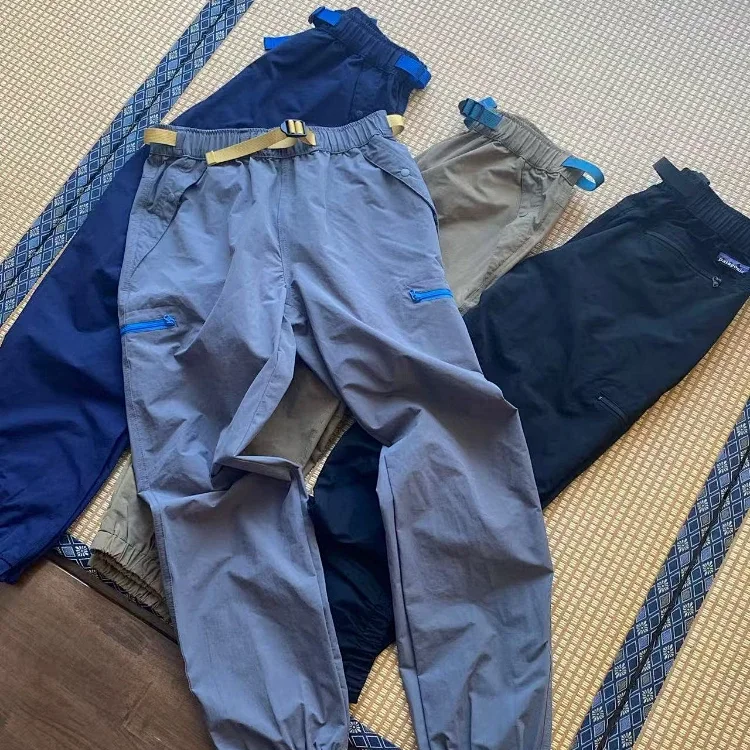 Patagonia quick-drying pants
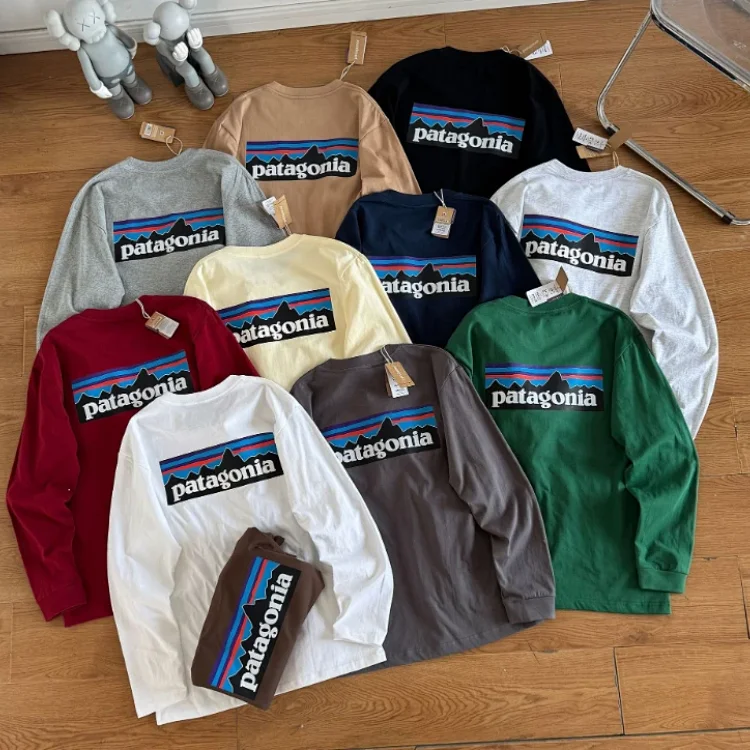 Patagonia classic loose-fitting crew neck
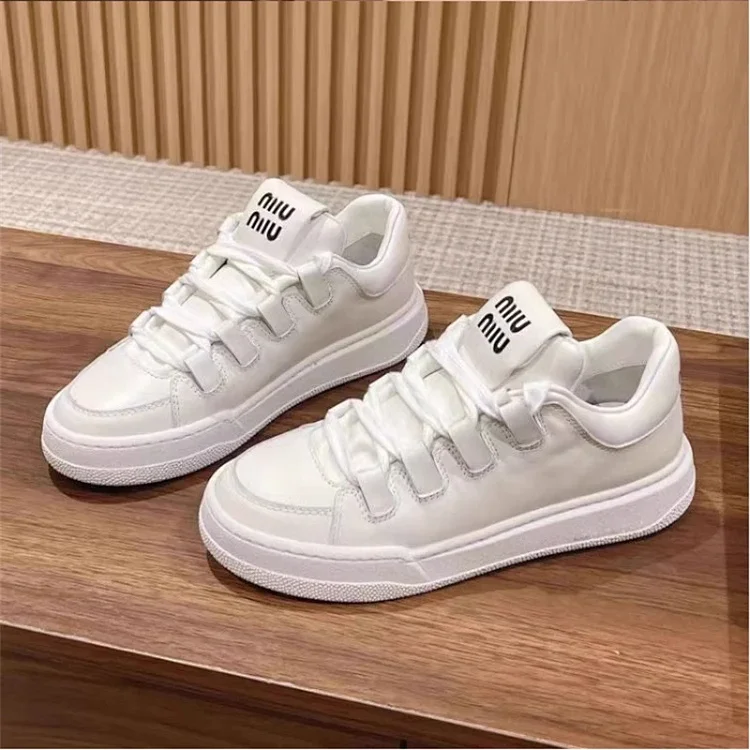 White low-top sneakers with wide laces