
SUPERBUY SPREADSHEET / PRODUCT DISCOVERY / ORDER STATUS
Superbuy Order Status Guide: Purchase, Dispatch and Warehouse
A Superbuy Shopping Agent order passes through several owners before it becomes an international parcel. The useful way to read status is to connect each label with evidence, the party holding the next action and a clear escalation rule. This guide covers Shopping Agent orders only; Parcel Forwarding begins with a purchase made by the user and follows a different intake boundary.
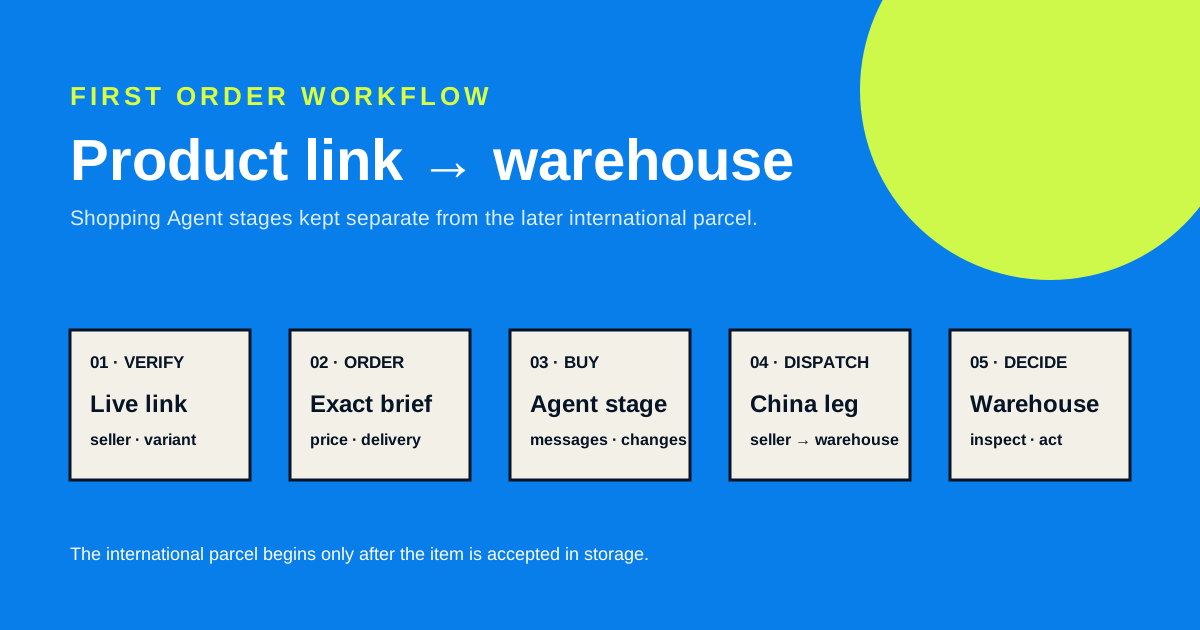
1. Build the evidence record before payment
Save the original product URL, seller, exact colour, size or specification, quantity, selected price, China domestic delivery and review date. Add the Superbuy order number after submission. This reference matters because marketplace listings and option names can change while an order is moving. A dashboard label cannot tell you whether the later item matches unless the original instruction is preserved. Superbuy's public Shopping Agent guide describes a sequence from item selection and order submission through purchasing, warehouse inspection, storage and parcel delivery.
Treat that sequence as a chain of handoffs rather than a promised calendar. For every update, record the timestamp, status text, attached message and any tracking evidence. Then identify who controls the next step: you, the purchasing agent, the seller, the Chinese carrier or warehouse staff.
2. Submitted or pending: check for your action first
A newly submitted order may still require payment confirmation, option clarification, risk acknowledgement or other information before purchasing can proceed. Open the individual order instead of relying only on the summary page. Read every message and compare the imported variant with the source listing. If a request is unclear, answer with the exact observable specification rather than a quality opinion. Do not create a duplicate merely because seller tracking is absent; there cannot be seller dispatch before the purchase is accepted.
A precise enquiry includes the order number, visible status and unresolved field: ‘Please confirm whether black, size 42, one pair can be purchased at the displayed order amount.’ This makes the question actionable and leaves a dated record. Silence is not always platform delay; sometimes the next action belongs to the buyer.
3. Purchasing and purchased are not seller dispatch
When a shopping agent is purchasing, the domestic transaction is being placed or confirmed with the marketplace seller. A purchased status means the order has advanced, but it does not prove that the seller has physically handed a parcel to a carrier. Watch for a message about stock, price change, unavailable variant or seller condition. Compare any proposed substitute with the original brief before accepting it.
The decision should be based on size, colour, version, quantity and return implications—not on keeping the status moving. If the seller cannot supply the exact item, ask what reversible choices are currently offered. Payment, balance and order status are related but different records: the order shows what happened to the purchase, while the transaction record shows where money moved. Reconcile both when an order is cancelled or adjusted.
4. Seller shipped begins the China domestic leg
Seller dispatch is a domestic milestone from the seller to Superbuy's warehouse. It is not international shipping to your country. Where the account shows a Chinese tracking number, record the carrier, number and first acceptance scan. Label creation alone is weaker evidence than a scan showing carrier possession. Once scans appear, follow the latest location and destination rather than applying an overseas delivery estimate. Superbuy's public help area separates order enquiries from parcel enquiries; use the order record while the seller item is still moving domestically.
If the seller has not dispatched, ask about seller handling through the order enquiry. If domestic tracking is active, the carrier holds the next handoff. The public guidance does not establish one universal seller-dispatch deadline for every marketplace and product, so avoid invented day counts.
5. Delivered to warehouse is not the same as stored
A domestic carrier may mark the shipment delivered before it appears in My Warehouse. Delivery records the carrier handoff; warehouse receipt still requires identification, matching, inspection and system processing. Keep the domestic tracking event, delivery timestamp, order number and any recipient evidence together. Compare the gap with current account guidance before escalating. If a real discrepancy remains, send those fields in one message rather than declaring the item lost.
This distinction prevents two opposite mistakes: contacting support immediately after the carrier scan, or waiting indefinitely without preserving proof. Warehouse intake can also expose a package that does not match the expected order. The status following delivery should therefore be checked alongside warehouse remarks, not interpreted from carrier tracking alone.
6. Read warehouse inspection as a decision gate
After intake, start with identity: product type, colour, marked size, model, quantity and promised accessories. Then review visible condition, symmetry, construction and any measurement that affects the keep-or-return choice. Superbuy's current public homepage advertises free QC photos and 90-day warehouse storage. Confirm the included views and available inspection options in the current order interface. These statements apply to the Shopping Agent flow; they should not be automatically transferred to Parcel Forwarding.
Photos prove only visible facts at one moment. They do not prove authenticity, fibre content, comfort, internal function or long-term durability. If a critical view is missing, ask for one observable result, such as the size label or insole length, using the current service options shown in the account.
7. Treat an exception as information, not a failure
An exception status can protect the buyer by stopping progress before international shipping. Read the attached warehouse or agent note and compare it with the saved order. Describe the difference objectively: ‘The order is size L, but the photographed label is M,’ or ‘The listing describes two pieces, while one is visible.’ Decide whether the existing evidence is enough to accept, request a targeted clarification or open after-sales.
Storage time and seller after-sales time are separate clocks. Superbuy's public materials state a storage allowance, but that is not a return window. Return or exchange eligibility depends on the seller, marketplace, product, customization and current order actions. When evidence already shows a decision-changing mismatch, delaying without a defined question only consumes time.
8. Stored means your parcel decision can begin
Stored items can be reviewed and selected for a later parcel, but storage is not automatic approval and does not start international tracking. Create a small warehouse ledger: order number, intake date, QC decision, visible weight or dimensions, restrictions and your personal review deadline. Resolve mismatches before consolidation. Superbuy's Shopping Agent guide says users can send stored items overseas or continue buying and consolidate later.
Consolidation can reduce repeated parcel base charges, yet it may increase volume, waiting time or shared risk. The right next action depends on accepted contents and current route eligibility. Do not let a stored status turn into an open-ended shopping list. Decide which items belong together, which require different protection and which sensitive characteristics may restrict the whole parcel.
9. Parcel statuses belong to a separate workflow
Only after parcel submission should you switch from My Order evidence to My Parcel evidence. The parcel stage has its own address, packaging, route, shipping deposit, verified size and weight, carrier handoff and international tracking. Superbuy's guide says the shipping deposit is based on estimated parcel data and that the final fee is reconciled after logistics verification. That financial adjustment is not evidence that the earlier seller order changed.
Keep the two ledgers separate. When a parcel has no update, use the parcel enquiry path; when an unshipped marketplace item is stalled, use the order enquiry path. This boundary is also why Parcel Forwarding must not inherit Shopping Agent claims about purchasing, seller after-sales or standard inspection. The service chosen at the start controls which statuses and protections are relevant.
10. Use a status-to-action checklist
For every order, ask ten questions: Is the service Shopping Agent? Is payment complete? Is an agent message awaiting my reply? Was the exact variant purchased? Has the seller created tracking or has the carrier accepted it? Does domestic tracking show delivery? Has warehouse intake completed? Do the photos and notes match the order? Is after-sales action needed now? Is the item accepted before parcel submission?
If one answer is missing, request the smallest piece of evidence that resolves it. Current labels, deadlines and account actions can change, so the live order remains authoritative. A good status guide does not predict a date; it makes the next responsible action obvious.
Write a useful status enquiry
Use the order number, selected variation, last visible status and its timestamp to describe a delay. Add domestic tracking only if it is already available, and distinguish a carrier delivery scan from completed warehouse intake. Ask what action is needed and whether a current service deadline applies. Avoid opening duplicate enquiries that split the record across several conversations. When the status changes, update the same note and check whether QC evidence is now available.
This creates a clear handoff from purchase tracking to the warehouse decision without treating every intermediate status as a lost parcel or a fixed delivery promise.
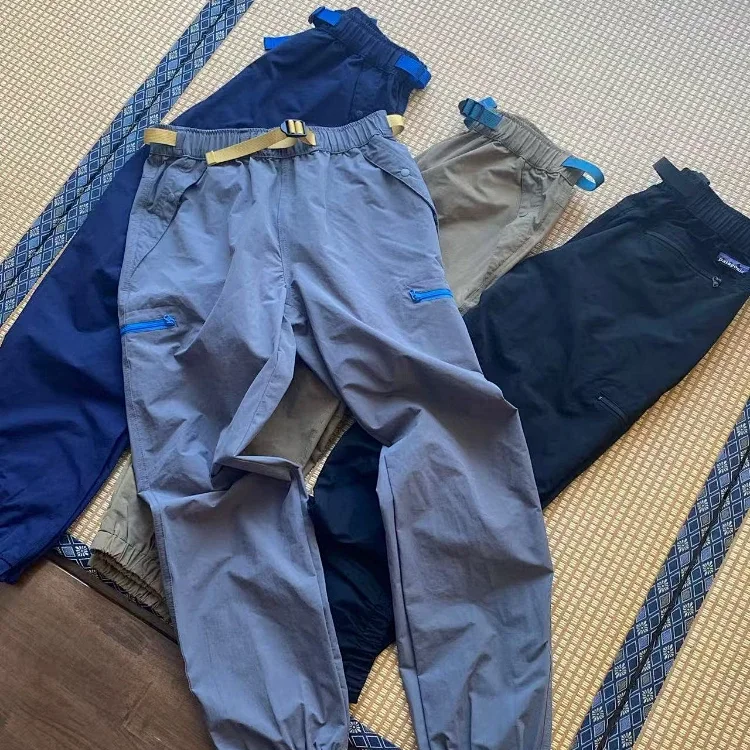 Patagonia quick-drying pants
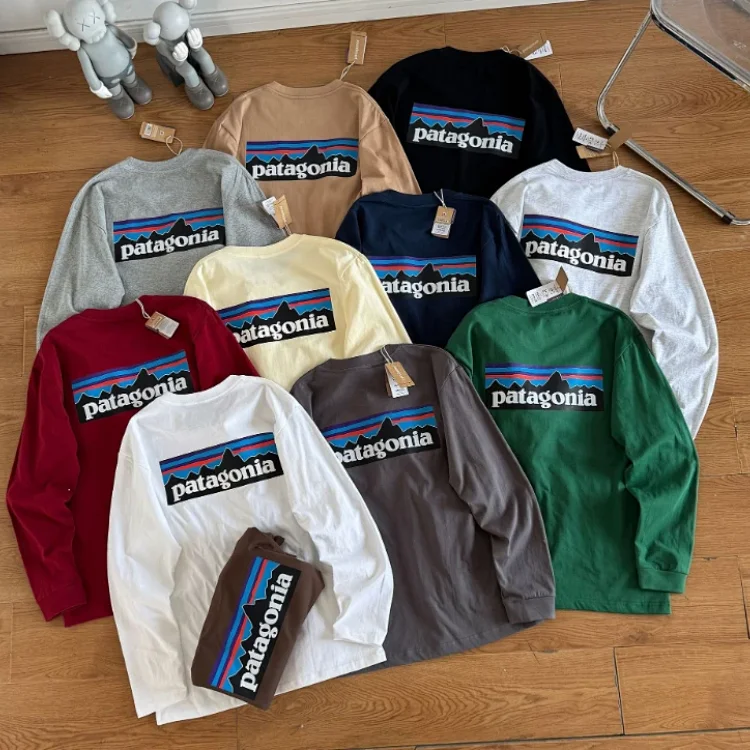 Patagonia classic loose-fitting crew neck
 White low-top sneakers with wide laces